

Wed, 18 Feb 2026 | 10:00 AM – 11:00 PM
Author: FRBGM
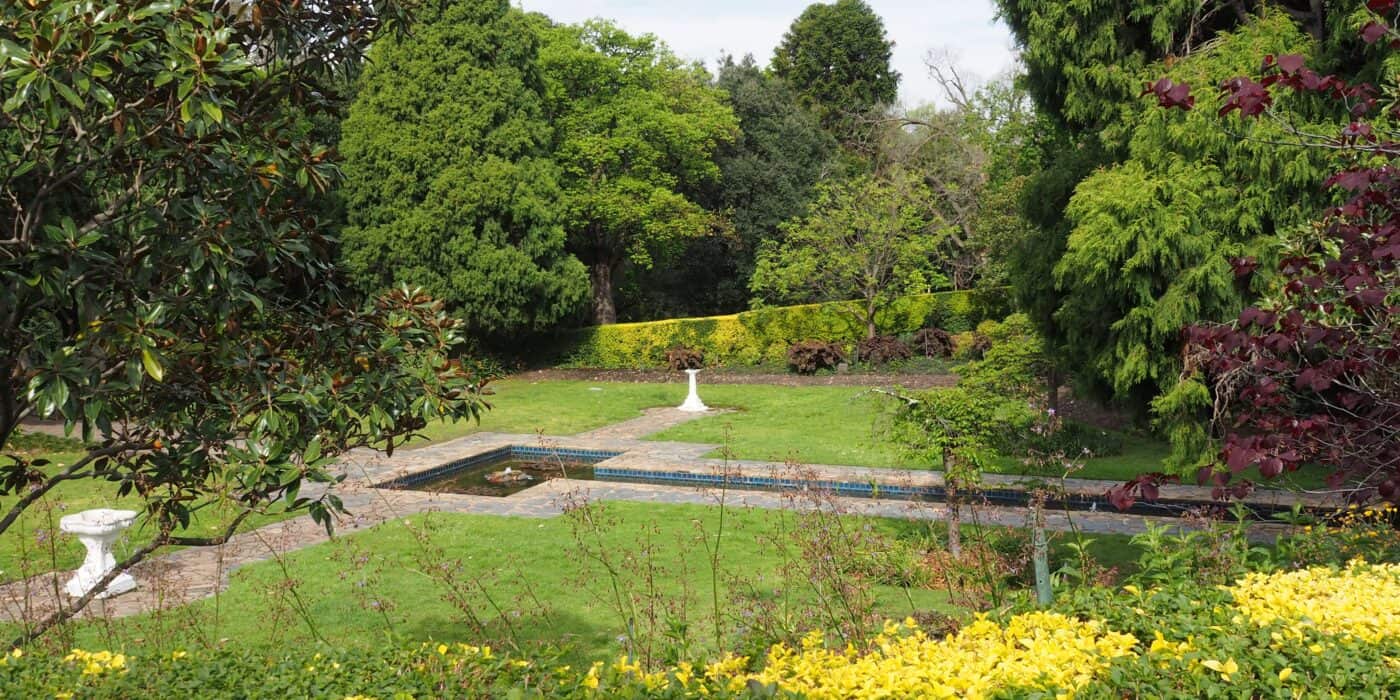



The National Botanic Gardens, Kilmacurragh: The Evolution of an 18th century Irish garden – Talking at Mueller with Seamus O’Brien
Tue, 17 Oct 2023 | 6:00 PM – 7:00 PM


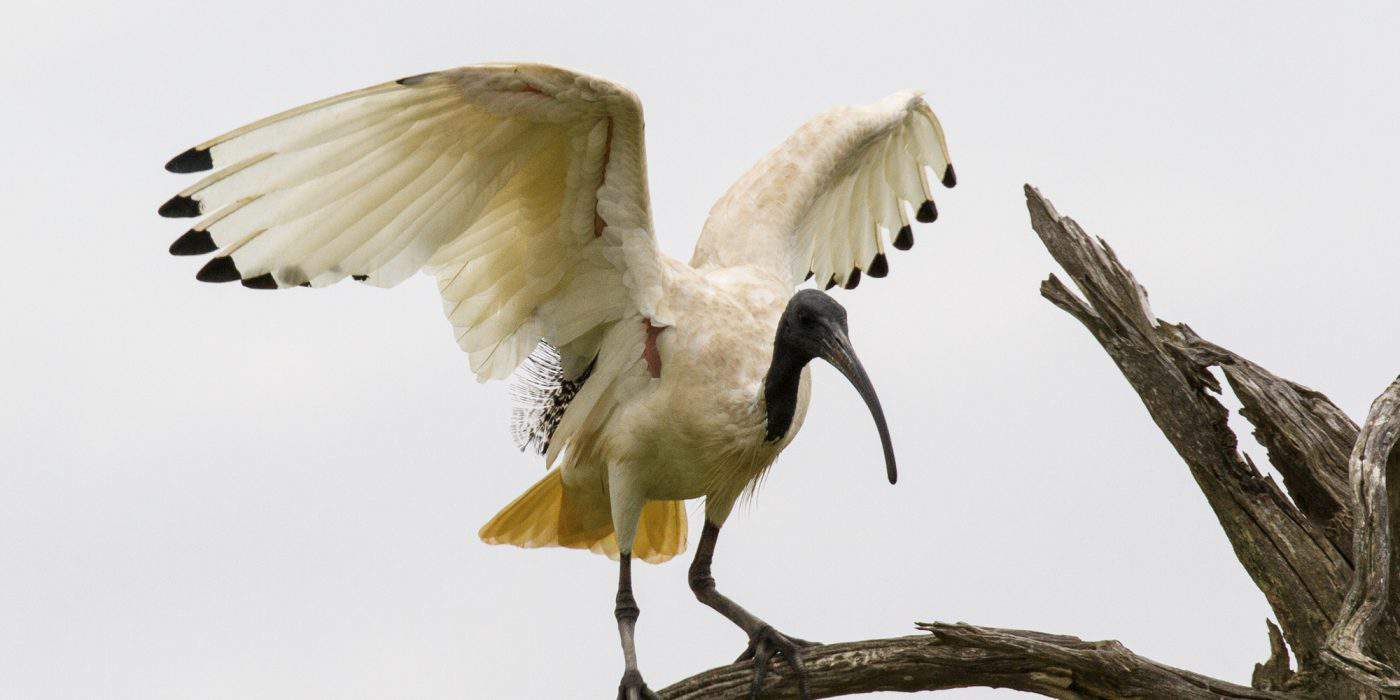
World Migratory Birds Day
October 14 was World Migratory Birds Day, a day established by the United Nations to raise awareness about the threats facing birds that travel huge distances during their migratory travels.
Migratory birds can clock up amazing statistics such as the Ruppel’s griffon vulture which collided with a plane at 37,000 feet in 1975. Or the black-capped, red-billed Artic tern that can fly more than 49,700 miles in a year. Over its lifespan of 30 years, that can add up to three trips to the moon and back. And not least, a bird that weighs less than an ounce, the Wheatear, travels up to 9,000 miles each way between the Artic and Africa, giving it one of the largest ranges of any songbird.
Most migratory birds travel from north to south according to the seasons, although others travel horizontally, often to milder coastal areas. Migratory birds’ arrival and departure dates have been consistent over the years but global warming is changing their annual rhythm.
One in eight bird species globally is threatened with extinction so the theme for this year is Water; Sustaining Bird Life and again, global warming is affecting water sources and aquatic systems worldwide, impacting migratory and other bird and animal species.
Other threats to migratory birds are invasive, alien species, habitat loss, oil spills, poorly positioned wind turbines and power lines, and plastic pollution.
As a migratory bird fly long distances, involving crossing many land borders between countries with different legal provisions and conventions, we need international co-operation for multilateral environmental agreements to protect migratory birds. At a local level, reducing water pollution, especially plastic, is something we can all do to help reduce threats to migratory birds.
Members of the Friends of the Gardens can join our monthly Birding Group walk to find out more about our amazing birds.
Image credit: Paul Hackett Photography